
Hail claims and roof replacement in Colorado
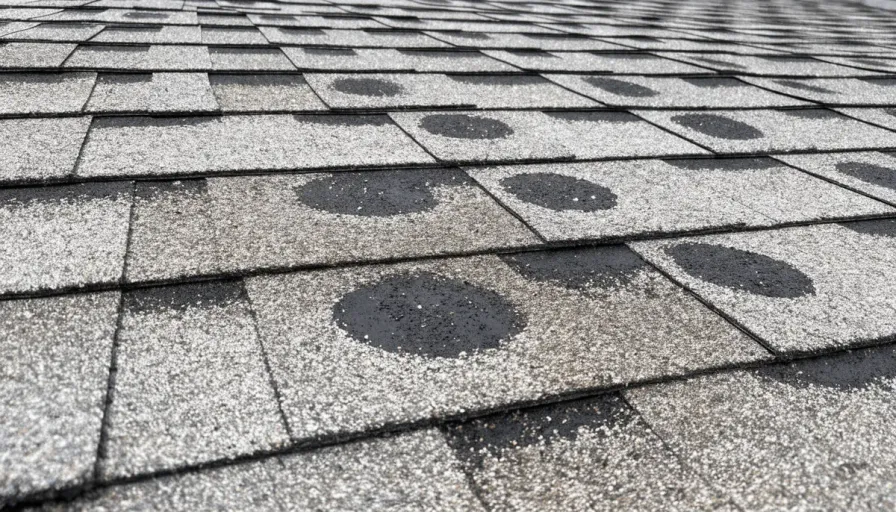
Almost every metal roof on the Front Range starts as a hail claim. This is the sequence that works, the one number that decides the upgrade, and the offers that should end a conversation.
The one number that decides it
Here is where most homeowners talk themselves out of the better roof. They get a metal quote at $28,000, compare it against zero, and decide it is too much.
That is the wrong comparison. If hail has taken your roof, your policy generally pays to replace what you had, like for like. Say that settlement is $16,000. Metal is an upgrade, so the real question is the $12,000 gap, spread against a roof that should outlast the asphalt several times over and that earns an impact-resistant credit on your premium every year you own the house.
Compare the metal quote against your settlement, not against zero. That single reframe is the most useful thing on this page.
The sequence
- Document first. Dated photographs of the roof, the gutters, the downspouts, screens, soft metals and any interior staining, before anyone climbs on it.
- File with your carrier. Not with a contractor. The claim is between you and your insurer.
- Be there for the adjuster. You are entitled to have your contractor present. Being on site when the roof is assessed is worth more than any argument afterwards.
- Read the scope, not just the total. The settlement is itemized. Check that the scope covers everything damaged, including flashing, vents and gutters, not just the field of the roof.
- Get two written, itemized quotes. One like-for-like, one for the metal system you are considering. Now you can see the gap.
- Ask your carrier about the impact-resistant credit. By name, before you decide, so the annual saving is in the arithmetic.
- Verify whoever you hire. The credential depends on your jurisdiction. See how to check a Colorado roofer.
Work it out for your own house
The four numbers that decide whether metal pays
- 1. The install. Standing seam on a typical Front Range home runs roughly $18,000 to $36,000 depending on size, pitch, panel gauge and how much tear-off is involved. Stone-coated steel sits lower in that range. Get the number from a quote, not from a website.
- 2. What you would have spent anyway. If hail has already taken your roof, your claim covers a like-for-like replacement. Metal is an upgrade, so the real question is not the full ticket, it is the difference between the claim settlement and the metal quote.
- 3. The annual insurance credit. Ask your carrier, by name, what their impact-resistant or Class 4 credit is on your dwelling premium. Most Colorado carriers run one. The amount is theirs, not the state's, so it varies. Multiply it by the years you expect to own the house.
- 4. Replacement cycles avoided. This is the number Colorado homeowners underweight. On a hail-belt asphalt roof you may be doing this again in a decade. A metal roof is normally a once decision.
Numbers 1 and 3 come from your quote and your carrier. We will not put a percentage in your mouth, because the credit is set in each carrier's own rate filing and anyone quoting you a statewide figure is quoting marketing.
Three offers that should end the conversation
- "We will cover your deductible." Your deductible is your share of the loss. A contractor absorbing it is either building it into the price or misrepresenting the loss to your insurer, and your name is on the claim.
- "Sign here and we will handle the insurance company for you." Read anything put in front of you at the door. Some of these are contingency agreements that bind you to a contractor before you have a settlement or a second quote.
- "This price is only good today." A roof is a five-figure decision on a house you plan to keep. Nothing legitimate about it expires this afternoon.
If your claim is denied or underscoped
Ask your carrier for the adjuster's report and the specific reason in writing. You can request a re-inspection, and you can have your contractor present for it. If it stays unresolved, the Colorado Division of Insurance handles consumer complaints about insurers. What no roofing contractor should be doing is telling you what your policy owes you; that is between you, your carrier, and if it goes that far, your own adjuster or attorney.
Then the actual decision
Once you know the gap, the question is simply whether you want to do this again. If this is your second or third claim on the same roof, the replacement-cycle argument is the strongest one metal has. The Colorado Metal Roofing Guide covers the rest, and the hail damage service page is the shorter version if you already know what you want.
Get a metal quote to compare against your settlement
When you submit this form, your information is shared with an independent local roofing professional for the purpose of scheduling your free quote.
Questions homeowners ask
- Will my insurer pay for a metal roof?
- Your policy generally pays to replace what you had, like for like. Metal is normally an upgrade, so the insurer pays the like-for-like amount and you pay the difference. That difference, not the full metal price, is the number that decides whether you upgrade.
- Does filing a claim raise my premium?
- That is a question for your carrier or your agent about your specific policy and history, and no roofing contractor can answer it for you. Ask before you file if it matters to your decision.
- The roofer offered to cover my deductible. Is that fine?
- Treat it as a serious warning sign. A contractor absorbing your deductible is either building it back into the price or misrepresenting the loss to your insurer, and you are the one on the claim.
- How long do I have to file a hail claim?
- It depends on your policy terms and on Colorado law governing suits against insurers, and it varies. Read your policy and confirm with your carrier rather than relying on a contractor for the deadline.
Ready to compare metal roofing quotes?
Tell us where you are on the Front Range and what the roof is doing. We pass it to an independent local roofing professional who works your area.
Get a Free Quote